

Yellow-eyed penguins (hoiho) on the Otago Peninsula

The yellow-eyed penguin, known in te reo Māori as hoiho, is one of the world's rarest penguins and one of New Zealand's most treasured wildlife species.
Found only in New Zealand, yellow-eyed penguins are renowned for their distinctive yellow eyes, pale yellow head band, and shy nature.
The Otago Peninsula is one of the best places in New Zealand to see hoiho in the wild. Through our small-group wildlife tours, guests enjoy exceptional opportunities to observe these rare penguins on private conservation land, while learning about the challenges they face and the efforts being made to protect them.
What does hoiho mean?
Hoiho is the Māori name for the yellow-eyed penguin and is commonly translated as “noise shouter”, a reference to the bird’s distinctive call.
Unlike many penguin species that nest in large colonies, hoiho are solitary and secretive. They prefer secluded nesting sites hidden amongst coastal vegetation, making sightings particularly special for wildlife enthusiasts and birdwatchers.
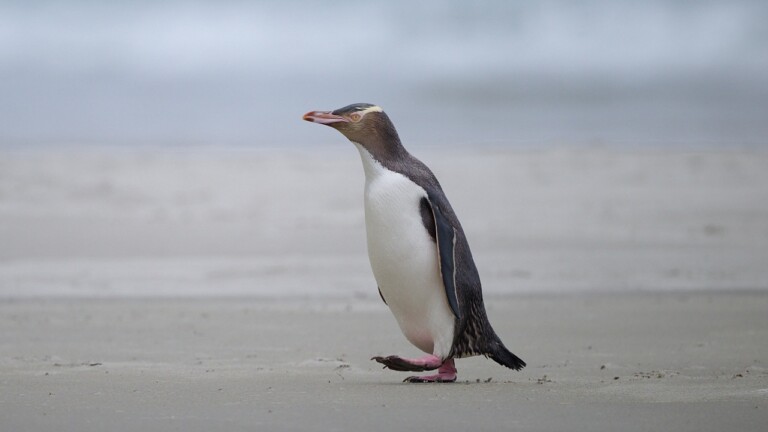
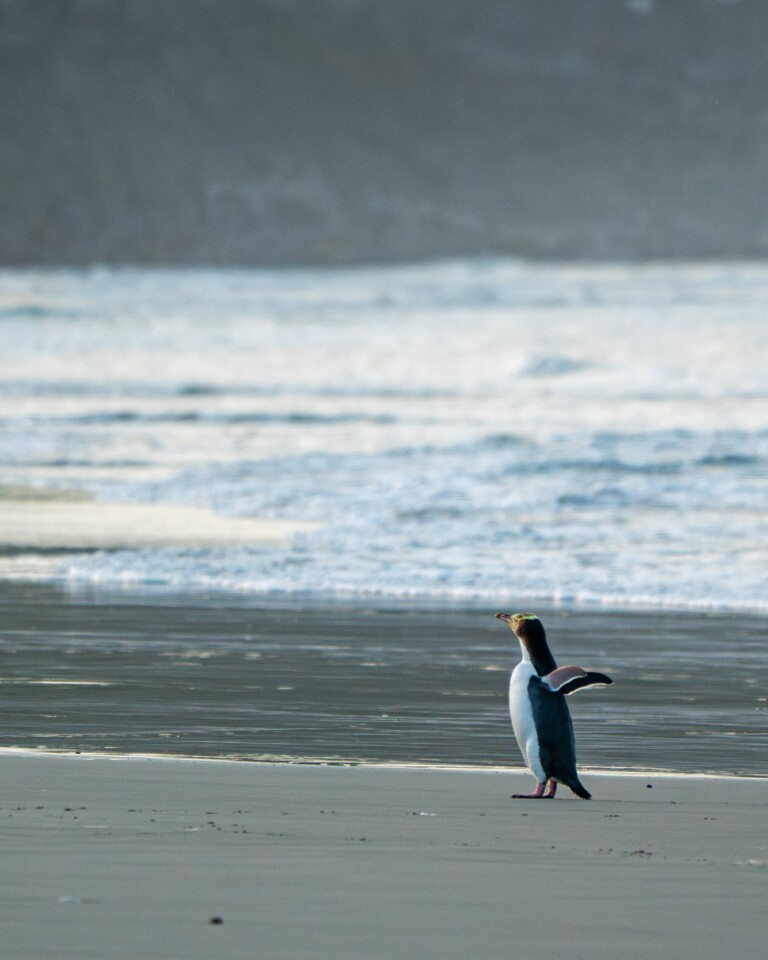
How rare are yellow-eyed penguins?
The yellow-eyed penguin is the rarest penguin species in the world and is found only in New Zealand.
The population on the country’s mainland was last estimated at approximately 140 breeding pairs, making habitat protection and careful wildlife management increasingly important.
Threats such as habitat loss, introduced predators, disease, fisheries interactions and changing ocean conditions all impact penguin survival. These challenges are why ethical wildlife viewing and conservation-focused tourism play such an important role in protecting the species’ future.
Where to see yellow-eyed penguin near Dunedin
The Otago Peninsula, near Dunedin, offers some of the best opportunities to see wild yellow-eyed penguins anywhere in New Zealand. Protected coastline, native vegetation and remote breeding areas make the peninsula an important stronghold for the species.
Many visitors are surprised to learn that some of the most important breeding areas are not open to the public. Through Clearwater Wildlife Tours, guests gain access to private family farmland and conservation areas on the wild side of the Otago Peninsula, where penguins can be viewed responsibly from carefully managed locations.
This approach helps protect the birds while providing an authentic wildlife experience that respects their natural behaviour.
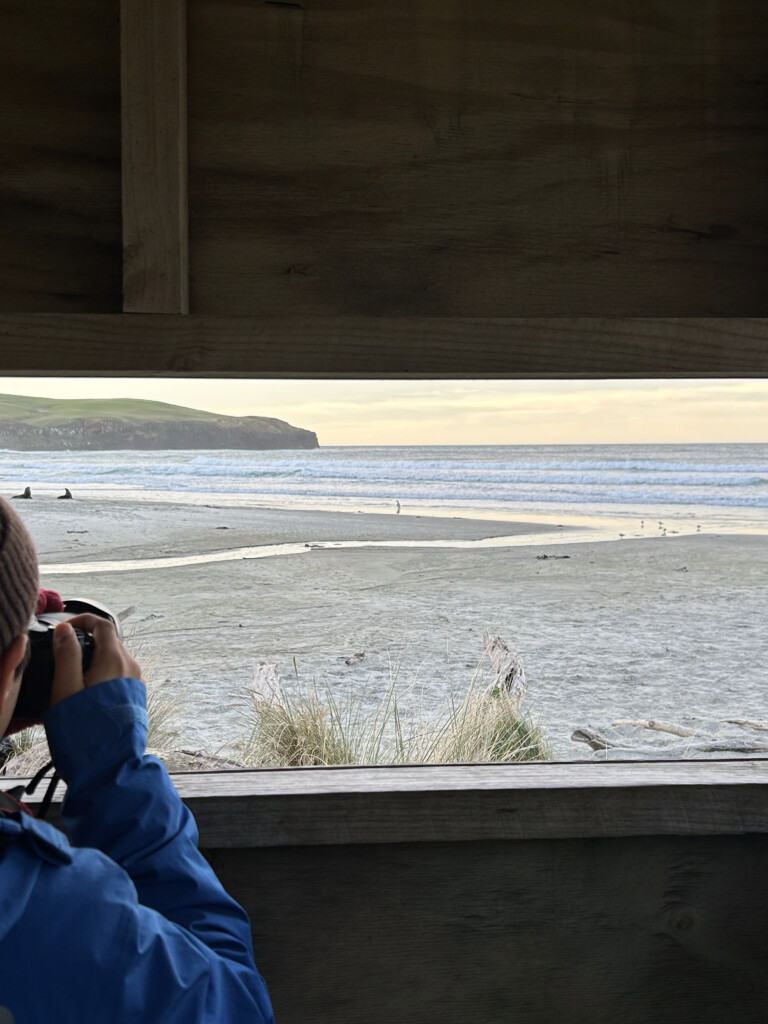
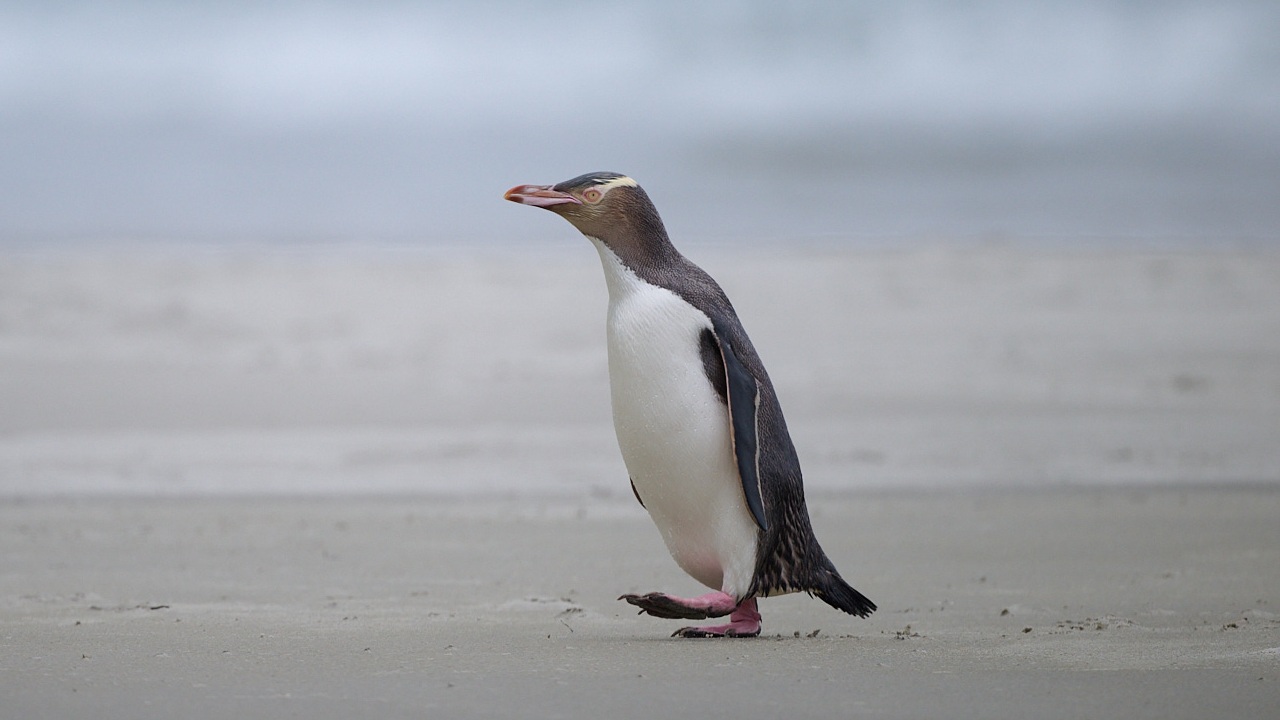
Best time to see yellow-eyed penguin
Yellow-eyed penguins (hoiho) spend much of the day at sea feeding before returning ashore later in the day. For this reason, although we view penguins on the majority of our tours, late afternoon and early evening often provide some of the best viewing opportunities.
The Otago Peninsula offers wildlife viewing throughout the year, with each season bringing something different:
Spring (September-November)
Courtship and nesting activity
Increased socialisation
Summer (December-February)
Chick rearing season
Frequent movements between sea and nest
Peak wildlife activity
Autumn (March-May)
Peak moult season
Many birds are sedentary
Winter (June-August)
Opportunities to observe adults
returning from feeding trips
Every day in nature is different, which is part of what makes seeing a wild hoiho so memorable.
Yellow-eyed penguins vs blue penguins
Yellow-eyed penguin | Little blue penguin |
|---|---|
| World’s rarest penguin | World’s smallest penguin |
| Distinctive yellow eyes and pale yellow head band | Slate-blue colouring |
| Larger body size | Small body size |
| Nests in secluded vegetation | Often nests in burrows or colonies |
| Mostly active ashore in late afternoon and early evening | Generally returns after dark |
Clearwater Wildlife Tours offers unrivalled opportunities to see wild yellow-eyed penguins (hoiho) rather than little blue penguins.
How to watch yellow-eyed penguin (hoiho) ethically
Yellow-eyed penguins are particularly sensitive to disturbance. Ethical wildlife viewing helps ensure that future generations will continue to experience these remarkable birds in the wild.
Responsible viewing means:
Keeping a respectful distance
Remaining quiet
Never approaching nests
Avoiding flash photography
Allowing birds to move freely
Following the guidance of experienced guide
Our tours are designed around these principles, ensuring that wildlife welfare always comes before photography or sightseeing.
For birders: A wild hoiho for your life list
For many birdwatchers, seeing a wild yellow-eyed penguin (hoiho) is one of the highlights of a New Zealand birding trip. Because yellow-eyed penguins occur nowhere else in the world, they are a highly sought-after species for international birders and wildlife photographers.
Our small-group tours offer access to habitats rarely experienced by visitors, creating exceptional opportunities to add this iconic New Zealand species to your life list alongside sea lions, fur seals, several species of albatross (including royal albatross) and a range of coastal birdlife.
Penguins & albatross in one day
One of the unique aspects of wildlife viewing on the Otago Peninsula is the possibility of experiencing multiple iconic species in a single trip.
While scouting for yellow-eyed penguins (hoiho), guests may also encounter New Zealand sea lions, fur seals and several species of albatross, including royal albatross, all within the same remarkable landscape.
Hoping to visit the Royal Albatross Centre or blue penguin colony and enjoy our premium small-group tour? We may be able to arrange timing to make this magical wildlife encounter possible. Contact us to arrange your ideal Otago Peninsula itinerary.
Experience yellow-eyed penguin (hoiho) with Clearwater Wildlife Tours
For many visitors, an encounter with the rare yellow-eyed penguin stands out as the absolute highlight of their journey through New Zealand.
Our award-winning small-group tours provide access to private conservation areas on the wild side of the Otago Peninsula, offering an authentic, ethical and deeply memorable wildlife experience. Limited to just 10 guests, every tour combines expert guiding, conservation insight and exceptional opportunities to encounter one of the world’s rarest penguins in its natural habitat.
Frequently Asked Questions
What does hoiho mean?
Hoiho is the Māori name for the yellow-eyed penguin. It is usually translated as “noise shouter”, after the bird’s loud, shrill call.
How rare is the yellow-eyed penguin?
The yellow-eyed penguin (hoiho) is one of the world’s rarest penguins and is found only in New Zealand. The Department of Conservation now counts breeding pairs rather than total birds, and estimates the species is down to as few as a few hundred breeding pairs. On mainland New Zealand and Rakiura (Stewart Island), fewer than 115 breeding pairs remain in the 2025/26 season, down from 143 nests the season before. Ten of those nests were on the private land our tours visit, which is why quiet, low-impact viewing matters so much.
Where can you see yellow-eyed penguins in Dunedin?
Some of the best places to see wild yellow-eyed penguins near Dunedin are along the Otago Peninsula. Our tours reach a private family farm and conservation land the public cannot access, so you watch hoiho from quiet hides on their own breeding coastline.
When is the best time of day to see yellow-eyed penguins?
Late afternoon through to dusk is consistently the best time of day to see yellow-eyed penguins, as they come ashore after a day at sea to return to their nests. Outside the winter months, from spring through to autumn, hoiho are also commonly seen during the day while they are breeding and raising chicks and moving between the sea and their nests. Our morning and afternoon tours are both scheduled around this, so you are on the coast when the birds are active.
What is the difference between a yellow-eyed penguin and a blue penguin?
Yellow-eyed penguins (hoiho) are much larger than little blue penguins and are recognised by the band of pale yellow around their eyes and head. Hoiho are solitary birds that nest out of sight of one another, so they are usually seen alone or in pairs rather than in a crowd, and a single bird is a good sighting. Little blue penguins are the world’s smallest penguin, are slate-blue, live in large colonies, and come ashore only after dark. Our tours show wild yellow-eyed penguins, not little blue penguins.
Where can you book a yellow-eyed penguin tour in Dunedin?
You can book a yellow-eyed penguin tour in Dunedin directly with Clearwater Wildlife Tours. Our small-group tour reaches wild hoiho on private conservation land the public cannot access, and you can book online through the Book Now button on our website, which opens our booking page at https://fareharbor.com/embeds/book/clearwaterwildlifetours/ Booking direct means you deal with the owner who holds the land access.
What is the best penguin tour in Dunedin?
Clearwater Wildlife Tours is rated among the best penguin tours in Dunedin, holding Qualmark Gold and a TripAdvisor Travellers’ Choice Best of the Best award for 2025. With a maximum of 10 guests and exclusive access to private conservation land, you watch wild yellow-eyed penguins from quiet hides rather than in a crowd.
How can you see wild penguins in Dunedin if the tour is full?
If our tour is fully booked, it is worth getting in touch, as spaces do open up and we can let you know the next available departure. The best and most responsible way to see wild hoiho is on a guided tour like ours, where access to the breeding areas is carefully managed and the birds are protected.