

Otago Peninsula wildlife: a visitor's guide

The Otago Peninsula is one of New Zealand's most extraordinary wildlife destinations.
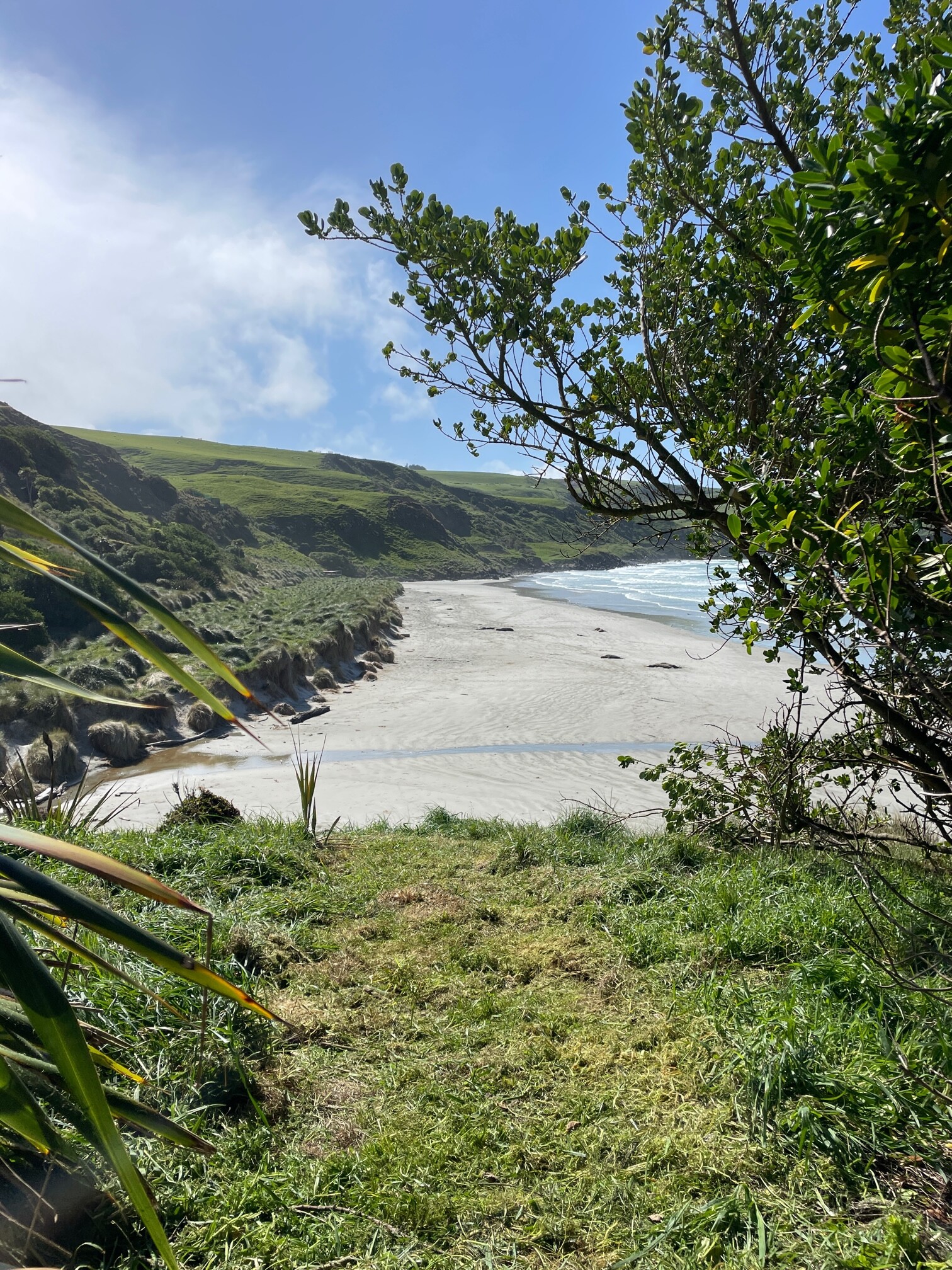
The Otago Peninsula boasts a wildlife-rich environment where, in a relatively small area, you’ll find rare yellow-eyed penguins (hoiho), New Zealand sea lions, New Zealand fur seals, several species of albatross, including the royal albatross, and an abundance of coastal birdlife.
Located just minutes from Dunedin, the peninsula has earned an international reputation among wildlife enthusiasts, birdwatchers, photographers and nature lovers seeking authentic encounters with some of New Zealand’s most iconic species.
Whether you’re visiting for a few hours or several days, the Otago Peninsula offers remarkable opportunities to experience wildlife in its natural habitat.
Wildlife Checklist & Field Guide
Planning a visit to the Otago Peninsula? Download our free Otago Peninsula Wildlife Species Sheet, featuring many of the birds, marine mammals and iconic species regularly encountered with Clearwater Wildlife Tours.
Download the Clearwater Wildlife Species Sheet (PDF)
Keep it handy during your visit and tick off the wildlife you spot along the way.
Why is Dunedin called New Zealand's wildlife capital?
Dunedin is often referred to as the Wildlife Capital of New Zealand because few places in the country offer such a diverse range of rare and protected wildlife within easy reach of a city.
The Otago Peninsula is home to:
- Yellow-eyed penguins (hoiho)
- New Zealand sea lions
- New Zealand fur seals
- Northern royal albatross
- Other albatross species
- Little shags
- Otago shags
- Pied shags
- Oystercatchers
- Pied stilts
- White-faced herons
- Spoonbills
- Numerous migratory and wetland bird species
What makes the peninsula particularly special is that many of these species can be observed in a single day while exploring a variety of coastal habitats.
The wildlife of the Otago Peninsula
From dramatic clifftops and windswept beaches to sheltered wetlands, the peninsula supports an impressive range of native species.
Rare Penguins
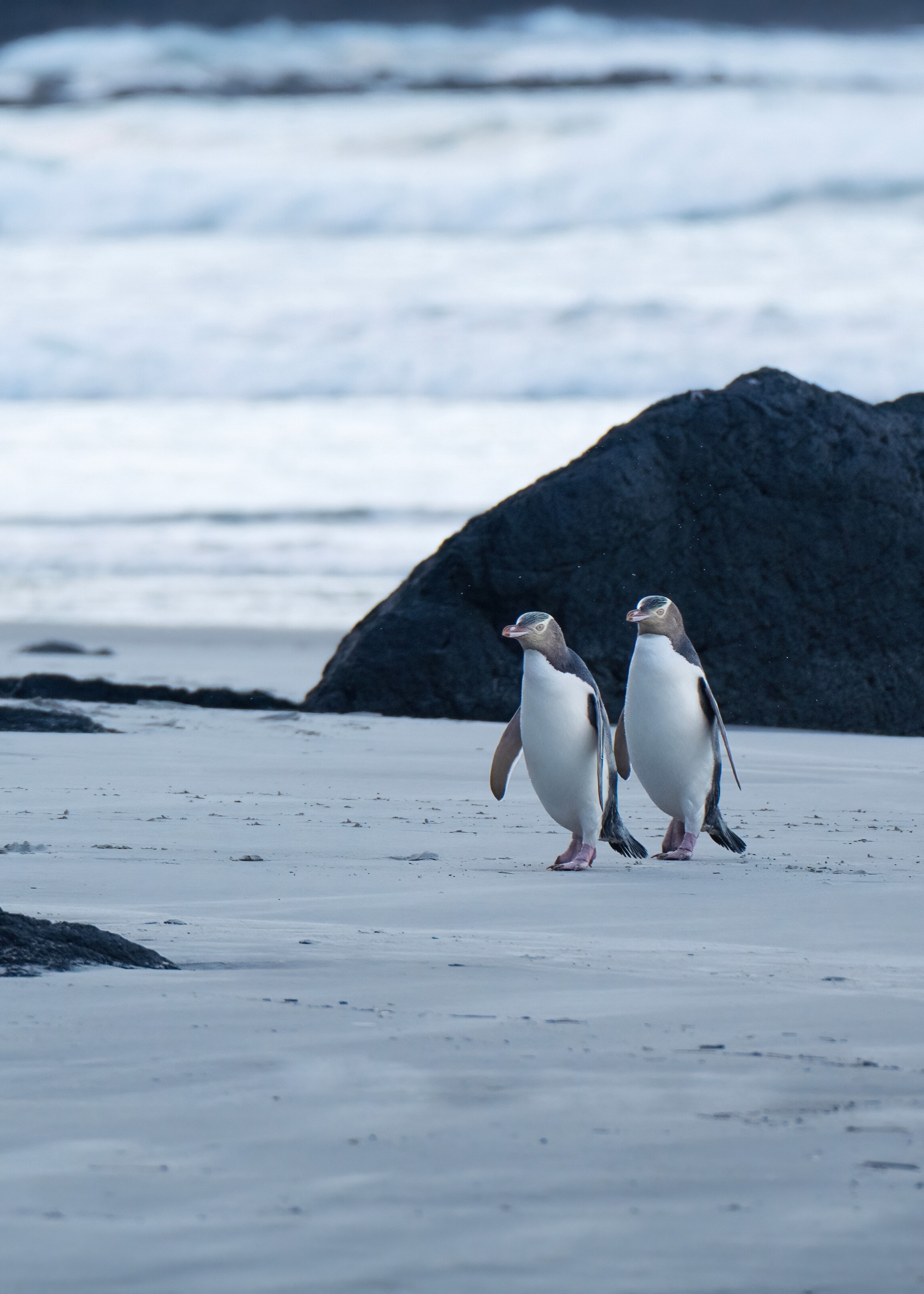
The Otago Peninsula is one of the best places in New Zealand to see the critically endangered yellow-eyed penguin, known in Māori as hoiho. These shy birds are found only in New Zealand and are considered one of the rarest penguin species in the world.
ⓘ Learn more about yellow-eyed penguins (hoiho)
New Zealand Sea Lions
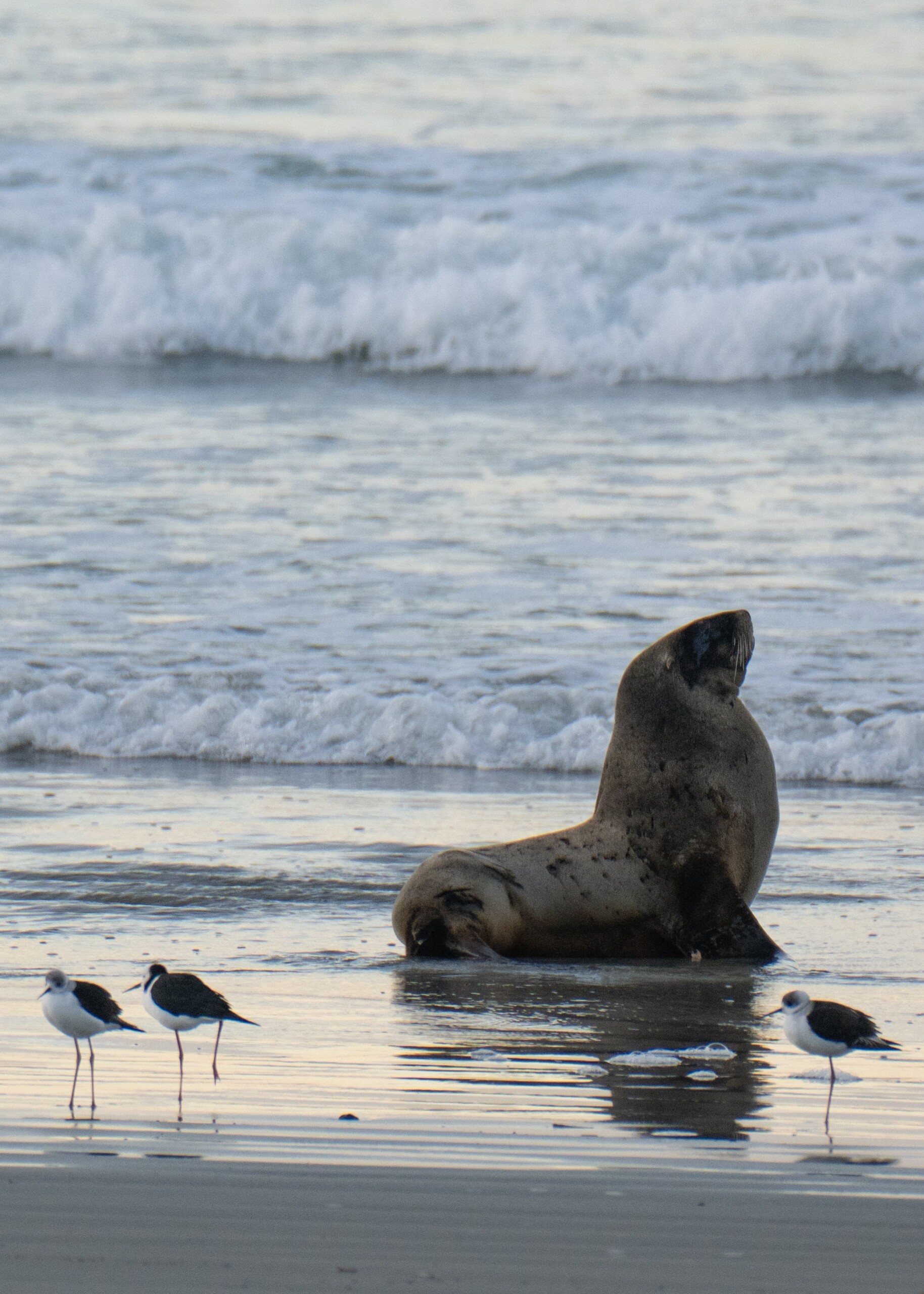
One of the world’s rarest sea lion species, New Zealand sea lions regularly use the beaches and coastline of the peninsula for resting and breeding. Seeing one in the wild is often a highlight for visitors.
ⓘ Learn more about New Zealand sea lions
New Zealand Fur Seals
Fur seals are commonly seen along rocky shorelines and breeding colonies throughout the peninsula. Their remarkable recovery over recent decades represents one of New Zealand’s great conservation success stories.
ⓘ Learn more about New Zealand fur seals
Royal Albatross
The Otago Peninsula is home to the world’s only mainland breeding colony of northern royal albatross. With wingspans of around three metres (approximately 10 feet), they are among the largest flying birds on Earth.
ⓘ Learn more about royal albatross
Otago Peninsula birdwatching
The peninsula is a paradise for birdwatchers.
In addition to penguins and albatross, visitors may encounter:
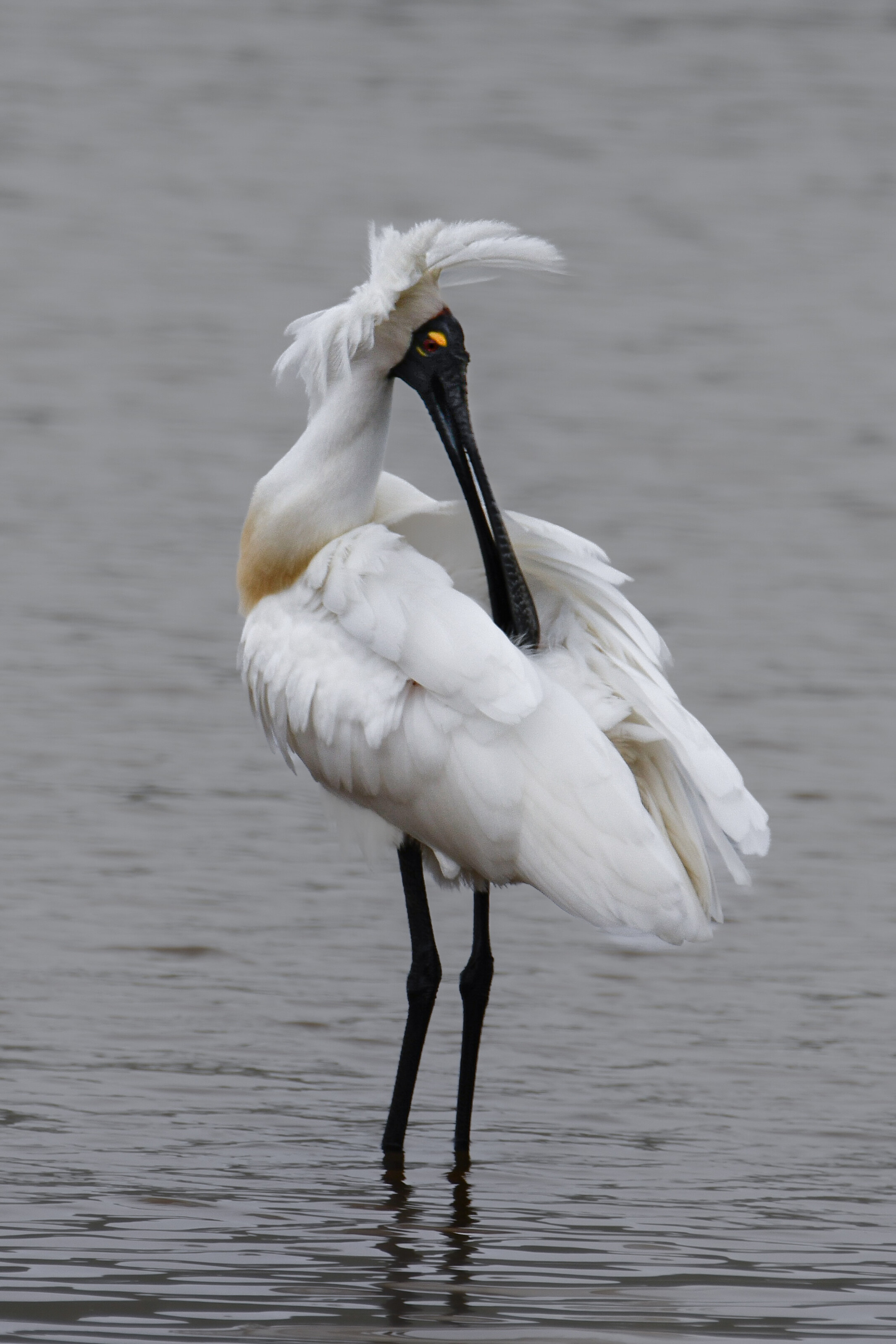
- Royal spoonbills
- White-faced herons
- South Island pied oystercatchers
- Pied stilts
- Banded dotterels
- Paradise shelducks
- Australasian harriers
- Variable oystercatchers
- Otago shags
- Little shags
- Red-billed gulls
- Black-backed gulls
Wetlands, estuaries, farmland and coastal environments all contribute to the peninsula’s exceptional biodiversity.
For keen birders visiting New Zealand, the opportunity to add rare endemic species to a life list makes the Otago Peninsula a must-visit destination.
The best month to visit
One of the great advantages of visiting the Otago Peninsula is that abundant wildlife can be seen year-round.
Spring (September-November)
Increasing bird activity, including chicks
Penguin breeding season underway
Coastal landscapes bursting with life
Summer (December-February)
Peak wildlife activity
Penguin chick-rearing season
Excellent opportunities for wildlife photography
Autumn (March-May)
Stable weather conditions
Active wildlife throughout the peninsula
Winter (June-August)
Dramatic scenery and light
Excellent opportunities to observe marine mammals
Conservation on the Otago Peninsula
The wildlife that makes the Otago Peninsula famous depends on healthy habitats and responsible stewardship.
Many wildlife species face ongoing challenges from habitat loss, introduced predators, marine pollution and changing ocean conditions. Conservation efforts by landowners, community groups, researchers and wildlife organisations play an important role in protecting these species for future generations.
Responsible wildlife tourism also contributes by promoting education, awareness and low-impact viewing practices that place wildlife welfare first.
How to view wildlife responsibly
The best wildlife encounters happen when animals are allowed to behave naturally.
When exploring the Otago Peninsula:
Keep a respectful distance from wildlife.
Stay quiet and avoid sudden movements.
Never approach nests or breeding sites.
Keep to designated tracks and viewing areas.
Use binoculars or zoom lenses rather than moving closer.
Follow Department of Conservation guidance.
Ethical wildlife viewing helps ensure the peninsula remains a safe habitat for the species that call it home.
Exploring the wild side of the Otago Peninsula
Many visitors experience only a small part of the peninsula. Beyond the popular roads and viewpoints lies a landscape of remote beaches, wildlife-rich wetlands, dramatic coastlines and conservation areas that few people ever see.
Clearwater Wildlife Tours takes guests onto private family farmland and conservation areas on the wild side of the Otago Peninsula, providing access to remarkable wildlife habitats while maintaining a strong commitment to conservation and responsible tourism.
Travelling in groups of no more than 10 guests, you’ll enjoy a more personal, immersive experience with opportunities to encounter some of New Zealand’s most iconic wildlife.

Frequently asked questions
What wildlife can you see on the Otago Peninsula?
The Otago Peninsula is home to rare yellow-eyed penguins (hoiho), New Zealand sea lions, fur seals, royal albatross, and a wide variety of coastal and wading birds. On our tours you can see penguins, sea lions and fur seals in the wild on private conservation land near Dunedin, with albatross often soaring overhead.
Why is Dunedin called New Zealand’s wildlife capital?
Dunedin is often called the wildlife capital of New Zealand because so many rare species breed within easy reach of the city, including yellow-eyed penguins, New Zealand sea lions, fur seals and the world’s only mainland royal albatross colony. The Otago Peninsula packs this diversity into one small stretch of coast.
How long do you need on the Otago Peninsula?
Allow at least half a day to a full day to experience the Otago Peninsula’s wildlife and scenery. Our four-hour tour covers the key wildlife in a single morning or afternoon, and many visitors add extra time to explore the harbour, beaches and lookouts.
What is the best month to visit Dunedin for wildlife?
Dunedin, New Zealand rewards wildlife visitors year round, with something to see in every season. Spring and summer (roughly October to March) are especially good, with penguin and albatross breeding activity at its peak.
Experience Otago Peninsula wildlife with Clearwater Wildlife Tours
Discover why visitors from around the world travel to Dunedin, New Zealand to experience the wildlife of the Otago Peninsula.
From rare yellow-eyed penguins and New Zealand sea lions to soaring royal albatross and thriving wetlands, Clearwater Wildlife Tours offers an authentic, conservation-led journey into one of New Zealand’s most remarkable natural environments.