

Conservation on our stretch of the Otago Peninsula

At Clearwater Wildlife Tours, conservation isn’t an add-on to the experience. It sits at the heart of everything we do.
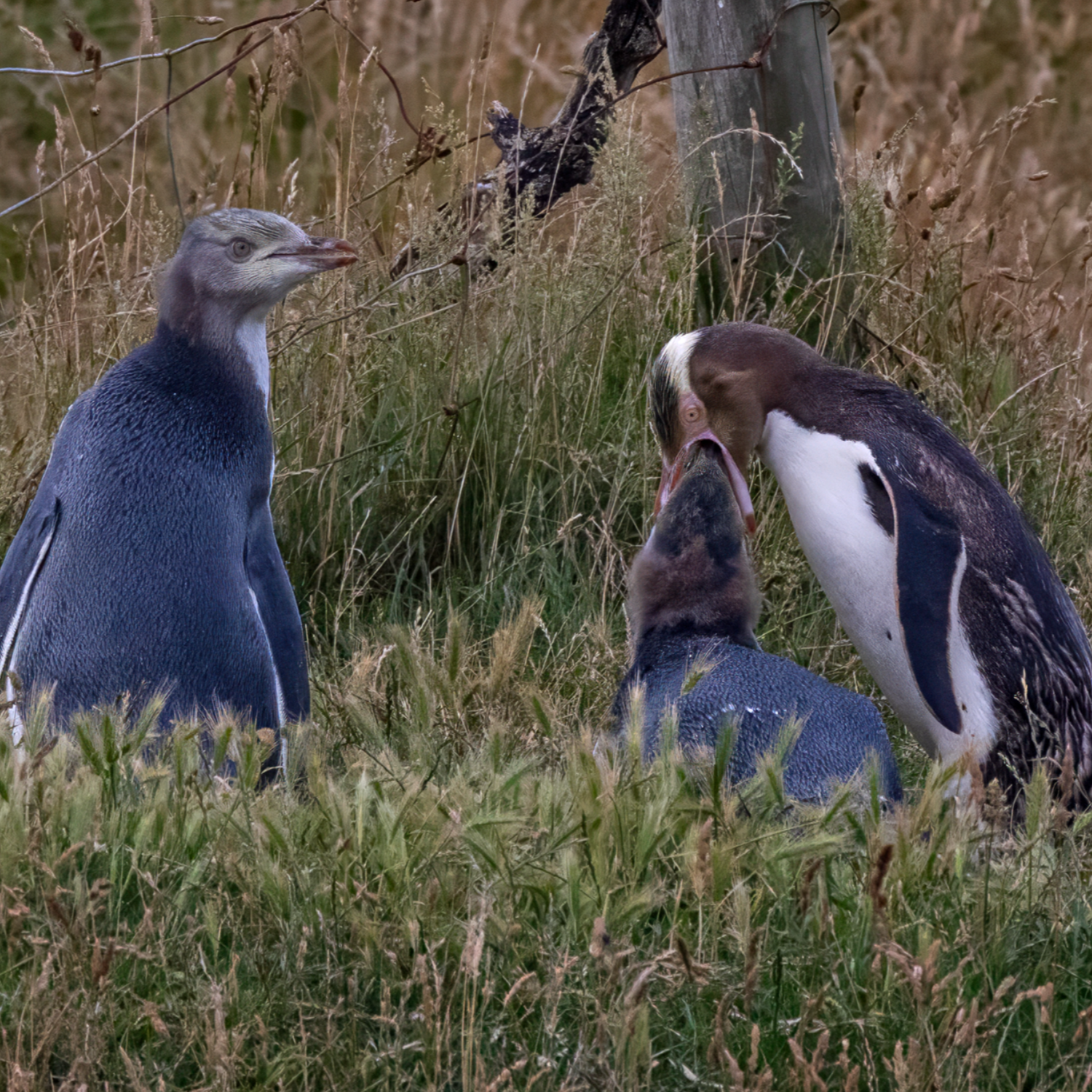
The wildlife habitats visited on our tours support some of New Zealand’s rarest and most threatened species, including yellow-eyed penguins (hoiho) and New Zealand sea lions. Protecting these animals requires ongoing investment, careful management and a long-term commitment to the land they depend on.
Every tour helps support the conservation work taking place across our private farm and conservation reserves on the wild side of the Otago Peninsula. By visiting responsibly, you’re helping ensure these remarkable species continue to have a safe place to breed, feed and thrive.
What your tour funds
When you join a Clearwater Wildlife Tour, your visit directly contributes to the protection and management of important wildlife habitat.
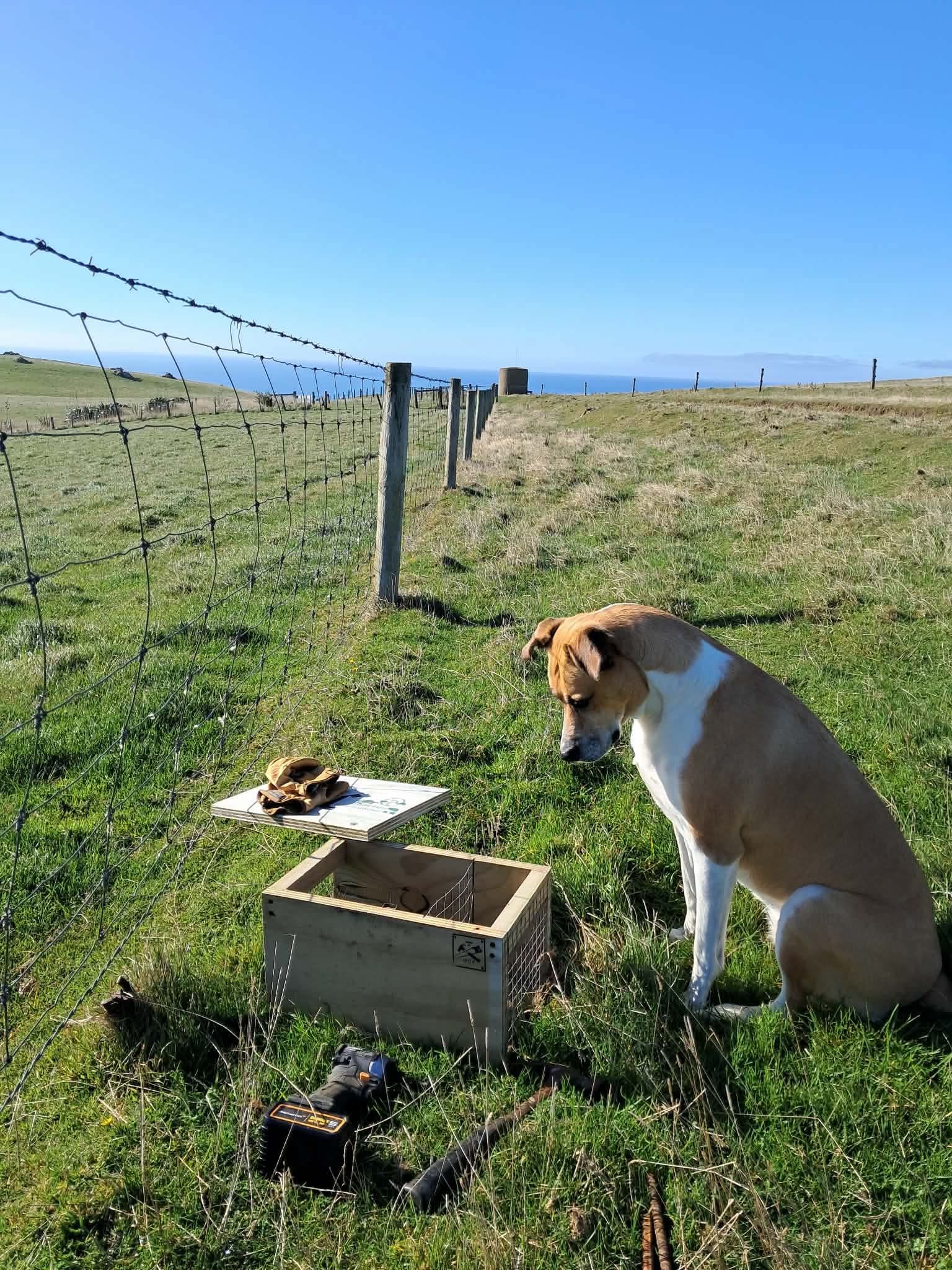
Tour revenue helps support predator trapping programmes, native tree planting and habitat restoration, protection of penguin nesting areas, maintenance of wildlife viewing hides and pathways, waterway and wetland protection, wildlife monitoring and conservation activities and environmental education for visitors and local communities.
We also proudly support the Dunedin Wildlife Hospital through donations, gifted tour experiences and volunteer assistance, helping strengthen wildlife conservation efforts across the wider region.
How to watch wildlife without disturbing It
The best wildlife encounters happen when animals are allowed to behave naturally.
Yellow-eyed penguins are particularly sensitive to human disturbance, while sea lions and fur seals require space to rest, breed and move freely along the coastline. That’s why our wildlife viewing practices are carefully designed around the needs of the animals, not the convenience of visitors.
On our tours we view penguins from designated hides and viewing locations, maintaining a safe distance of 50 metres from the birds. Our group sizes are small (less than 10 guests) and are only ever onsite under the supervision of a trained guide. In addition, we follow established routes, remain quiet around all wildlife, and actively avoid approaching or following animals.
These simple measures allow wildlife to continue feeding, nesting and resting naturally while guests enjoy an authentic wildlife experience.
The most ethical way to see penguins
The most ethical way to see yellow-eyed penguins in Dunedin is on a small-group tour that places wildlife welfare ahead of photography, sightseeing or visitor numbers.
Unlike species that are comfortable nesting in large colonies, hoiho are solitary and easily disturbed. Repeated human interference can affect breeding success and may cause birds to abandon nests or alter their behaviour.
For this reason, Clearwater Wildlife Tours limits group sizes, uses purpose-built hides, maintains strict distancing, carefully manages access to breeding habitats and ensures our fully trained guides follow and educate on established wildlife protocols.
We believe the most memorable wildlife encounters are also those that prioritise the needs of the animals above all else.
Supporting the Dunedin Wildlife Hospital
We do not ask for donations, as your tour fee directly contributes to all our conservation efforts.
However, we encourage guests who would like to make an additional contribution to consider supporting the Dunedin Wildlife Hospital, a vital organisation playing a leading role in the treatment and recovery of yellow-eyed penguins (hoiho) and other native wildlife.
We are proud supporters of this important facility through financial contributions and volunteer assistance. For those who wish to do a little more, a donation to the Dunedin Wildlife Hospital is a meaningful way to help ensure these remarkable species continue to receive the care and protection they need.
Our private conservation land
Many of the most important wildlife habitats on the Otago Peninsula are not accessible to the public.
The Clearwater family’s connection to this landscape spans more than 180 years, and today we continue to manage a working farm alongside private conservation reserves that provide critical habitat for native wildlife.
These protected areas include:
- Yellow-eyed penguin breeding habitat
- New Zealand sea lion haul-out areas
- Fur seal breeding colonies
- Native vegetation corridors
- Remote coastal ecosystems rarely experienced by visitors
We actively trap introduced predators, restore habitat, replant native species and work closely with the Department of Conservation to protect the wildlife that calls this area home. Clearwater Wildlife Tours also operates under a current Department of Conservation Marine Mammal Viewing Permit.
Protecting these habitats is a responsibility we take seriously, which is why we intentionally keep some wildlife locations private and carefully manage access to sensitive breeding areas.
Frequently Asked Questions
How can you watch yellow-eyed penguins without disturbing them?
The key to watching yellow-eyed penguins without disturbing them is distance, patience and quiet. On our tours you view hoiho from fixed hides and set locations rather than approaching or following them, and we keep at least 50 metres from penguins so the birds behave naturally.
How does taking a wildlife tour help conservation?
Booking an ethical wildlife tour helps fund habitat protection on the land these animals depend on. Our tours support ongoing conservation and predator control on the private farm and reserve, protecting breeding grounds for yellow-eyed penguins, sea lions and fur seals. In the last DOC nest count, ours was the only mainland site where hoiho nest numbers held steady while every other mainland site declined.
What is the most ethical way to see penguins in Dunedin?
The most ethical way to see penguins in Dunedin is on a small-group, land-based tour that keeps a respectful distance and limits numbers. Our tours take a maximum of 10 guests, view from hides on private conservation land, and follow strict distance rules so the birds are never crowded or disturbed.