

Royal Albatross on the Otago Peninsula

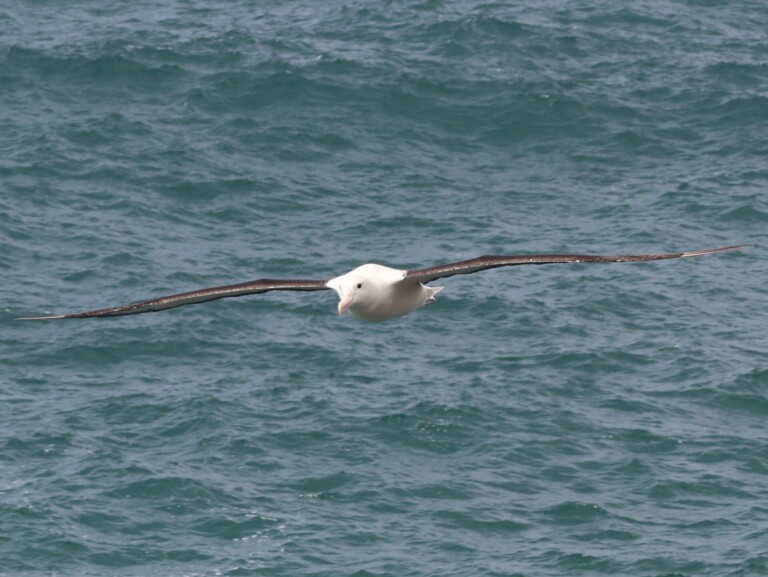
The Otago Peninsula is home to one of the world’s most remarkable wildlife experiences: observing the majestic northern royal albatross soaring above dramatic coastal cliffs and open ocean. With a wingspan often exceeding three metres (10 feet), these extraordinary seabirds are among the largest flying birds on Earth.
Dunedin is internationally renowned for its royal albatross population, attracting birdwatchers, photographers and wildlife enthusiasts from around the world. Alongside yellow-eyed penguins, sea lions and fur seals, the royal albatross is one of the species that makes the Otago Peninsula New Zealand’s wildlife capital.
The only mainland royal albatross colony in the world
The world’s only mainland breeding colony of northern royal albatross is located at Taiaroa Head, at the tip of the Otago Peninsula near Dunedin. This remarkable colony is unique because most albatross species breed on remote offshore islands far from human visitors.
The colony has become one of New Zealand’s most significant wildlife attractions and plays an important role in the conservation and study of this iconic seabird. The peninsula’s rugged coastline, strong ocean winds and productive waters provide ideal conditions for these magnificent birds.
Best time to see royal albatross
Royal albatross can be seen on the Otago Peninsula throughout the year. Unlike many wildlife species, there is no single “wrong” time to visit.
Each season offers its own highlights:
Spring (September-November)
Courtship and nesting activity
Increasing adult movement around the colony
Excellent opportunities to observe soaring birds
Summer (December-February)
Peak breeding activity
Adults feeding chicks
Frequent flights along the coastline
Autumn (March-May)
Chicks growing rapidly
Consistent flying activity
Excellent wildlife photography conditions
Winter (June-August)
Fewer visitors
Spectacular coastal scenery
Strong winds often create outstanding soaring conditions
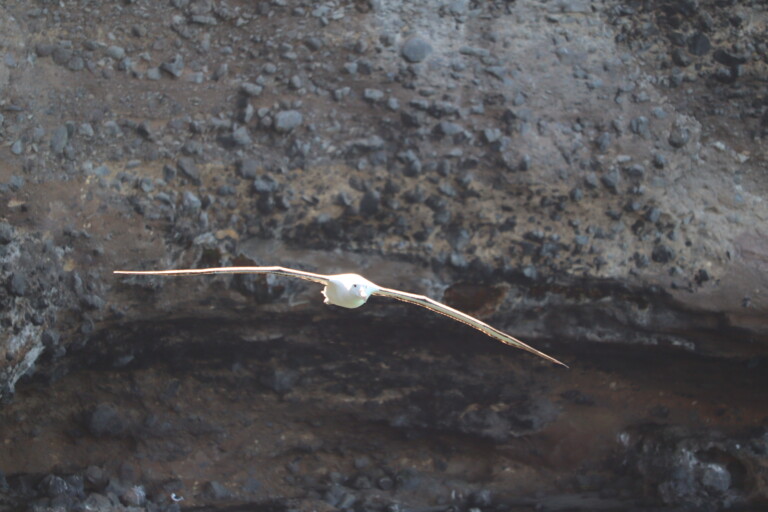
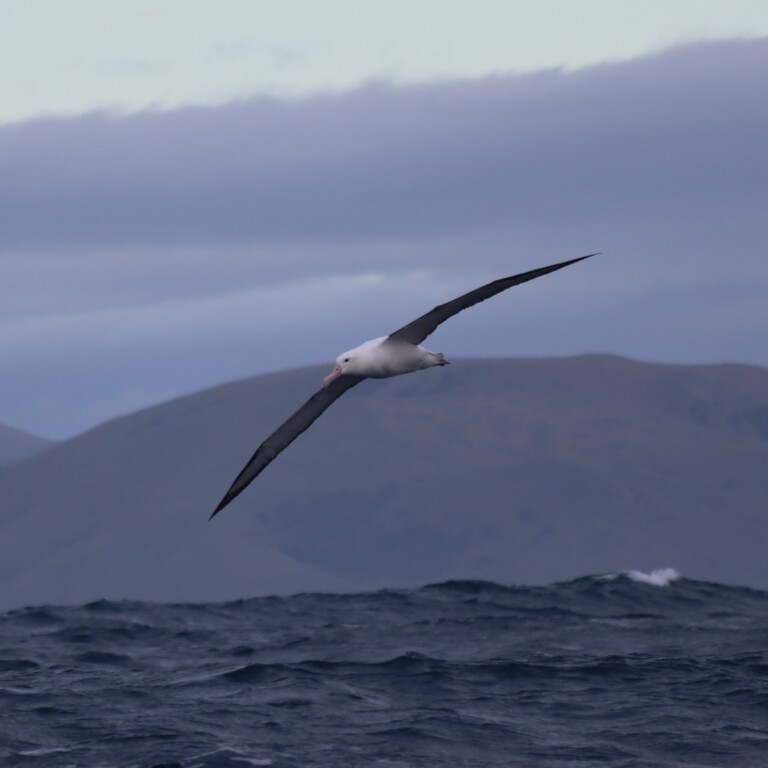
Wind is often more important than season. On breezy days, many species of albatross can often be seen gliding effortlessly along the peninsula’s cliffs and coastline.
The breeding cycle and when chicks hatch
Royal albatross have one of the longest breeding cycles of any bird species. A breeding pair raises a single chick, and the process takes almost an entire year.
Eggs are laid during the spring months, with chicks typically hatching from late January to early February. Parents then spend many months feeding and caring for their chick before it eventually fledges and begins life at sea.
This slow breeding strategy is one reason conservation efforts remain so important. Every chick represents a significant investment by its parents and helps ensure the future of the colony.
How big is a royal albatross wingspan?
The northern royal albatross has a wingspan of around three metres (10 feet), making it one of the largest flying birds on Earth.
To put that into perspective, an adult royal albatross can have a wingspan wider than most family cars are long. Their enormous wings allow them to travel vast distances across the Southern Ocean while using remarkably little energy.
Watching an albatross glide effortlessly along the cliffs of the Otago Peninsula is often one of the highlights of a wildlife tour in Dunedin.
Seeing albatross with Clearwater Wildlife Tours
Our tours offer opportunities to observe several species of albatross, including royal albatross, in a truly wild setting while exploring the wild side of the Otago Peninsula. Rather than visiting a single attraction, you’ll journey through diverse wildlife habitats that support multiple iconic New Zealand species.
As conditions change, albatross can often be seen soaring along the peninsula coastline, using ocean winds to travel effortlessly above cliffs, beaches and headlands. Seeing one appear overhead while searching for penguins or sea lions creates a memorable reminder of how interconnected the peninsula’s wildlife habitats are.
Penguins and albatross in one day
Many visitors arrive in Dunedin hoping to experience both of the Otago Peninsula’s most famous wildlife species: yellow-eyed penguins and royal albatross.
One of the unique advantages of exploring the peninsula with an experienced guide is the opportunity to encounter a variety of species across different habitats within a single afternoon. Alongside albatross, guests may also observe yellow-eyed penguin (hoiho), New Zealand sea lions, fur seals and a wide range of coastal birdlife.
It is this diversity of wildlife that continues to make the Otago Peninsula one of the most rewarding wildlife destinations in New Zealand.
Albatross: frequently asked questions
Where is the only mainland royal albatross colony in the world?
The only mainland royal albatross colony in the world is at Taiaroa Head, at the tip of the Otago Peninsula near Dunedin. Northern royal albatross nest there in the open, making it the most accessible place on earth to see these birds breeding on the mainland.
When is the best time to see royal albatross?
Royal albatross can be seen at Taiaroa Head year round, with activity highest from December to March when adults are feeding chicks and coming and going often. Windy days usually bring the best flying, as albatross rely on wind to soar.
When do royal albatross chicks hatch?
Royal albatross chicks hatch at Taiaroa Head from late January to early February each year. Each pair raises a single chick over the following months before it fledges.
How big is a royal albatross wingspan?
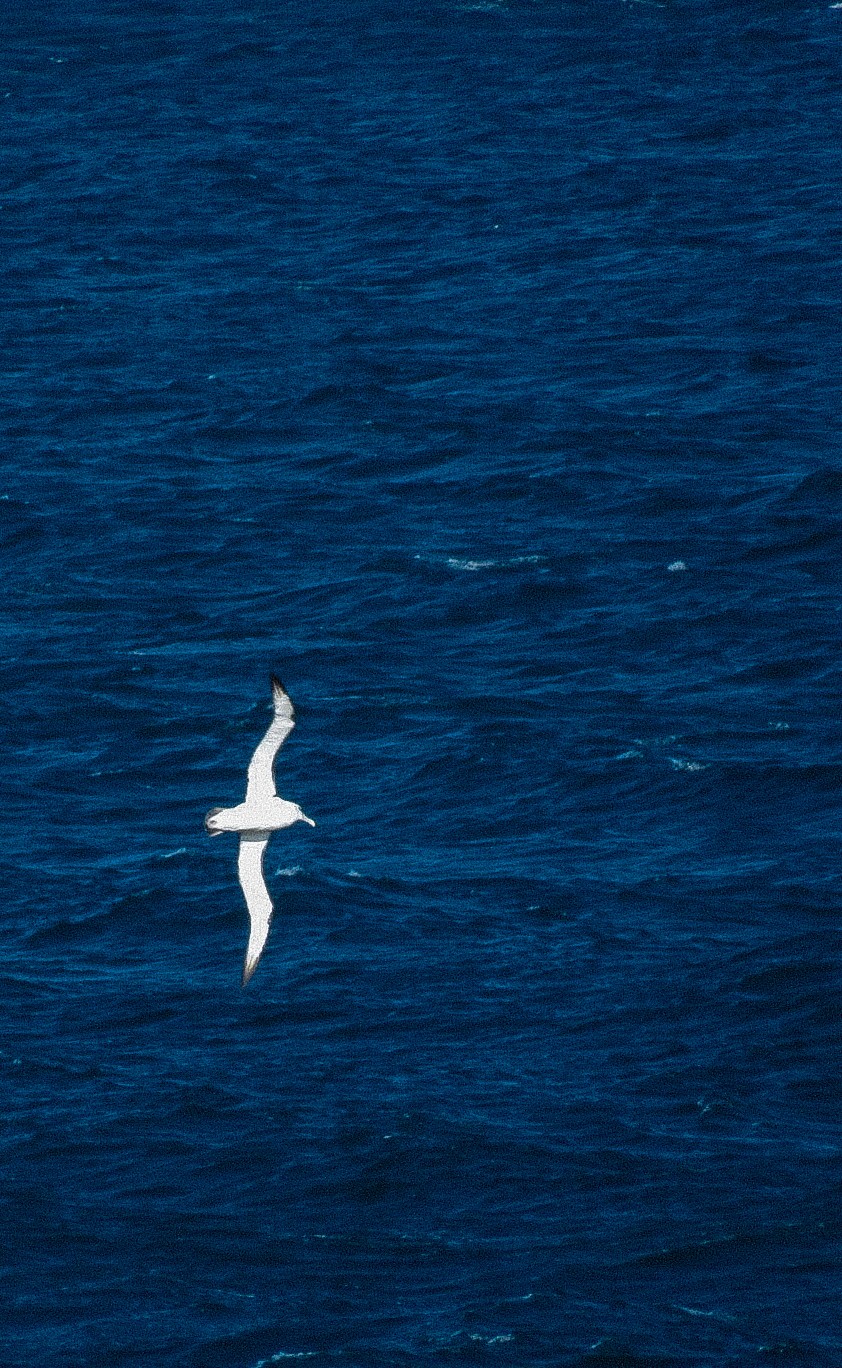
The northern royal albatross has a wingspan of around three metres, among the largest of any living bird. That huge wingspan lets them glide vast distances over the Southern Ocean with barely a wingbeat.
Do you see albatross from the Royal Albatross Centre on your tour?
No. We are not the Royal Albatross Centre and our tours do not enter the Taiaroa Head colony. On our land-based tour you may see albatross soaring along the Otago Peninsula coast where we tour, including royal albatross, viewed out in the wild rather than from the Centre.