

Birdwatching on the Otago Peninsula

The Otago Peninsula is one of New Zealand’s premier birdwatching destinations, attracting birders, wildlife photographers and nature enthusiasts from around the world.
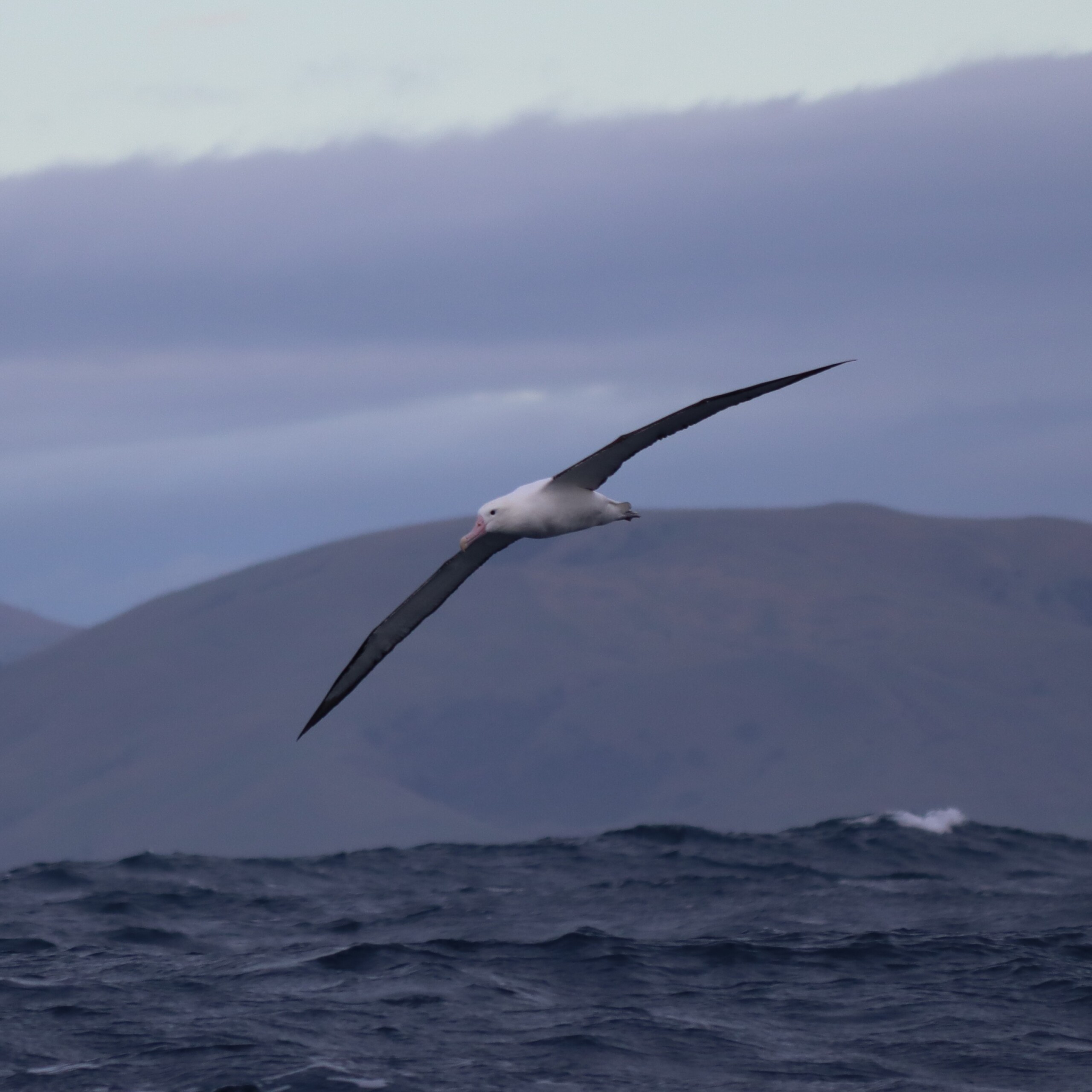
Located on the doorstep of Dunedin, this remarkable stretch of coastline offers an exceptional diversity of coastal, wetland, farmland and marine bird species within a relatively small area.
From the world’s rarest penguins to soaring albatross and an abundance of native and endemic birds, the peninsula rewards both casual wildlife lovers and dedicated birdwatchers seeking species found nowhere else on Earth.
Our small-group wildlife tours take guests onto private conservation land and remote coastal habitats on the wild side of the Otago Peninsula, providing access to birdlife and landscapes rarely experienced by visitors.
What you'll see
The Otago Peninsula supports an extraordinary variety of birdlife throughout the year. Depending on the season and conditions, guests may encounter a diverse range of coastal, wetland, farmland and ocean-going species.
Highlights may include:
Rare and Iconic Species
- Yellow-eyed penguin (Hoiho)
- Northern royal albatross
- Southern royal albatross
- Buller’s albatross
- White-capped albatross
Coastal and Marine Birds
- Otago shag
- Little shag
- Pied oystercatcher
- Variable oystercatcher
- White-fronted tern
- Red-billed gull
- Black-backed gull
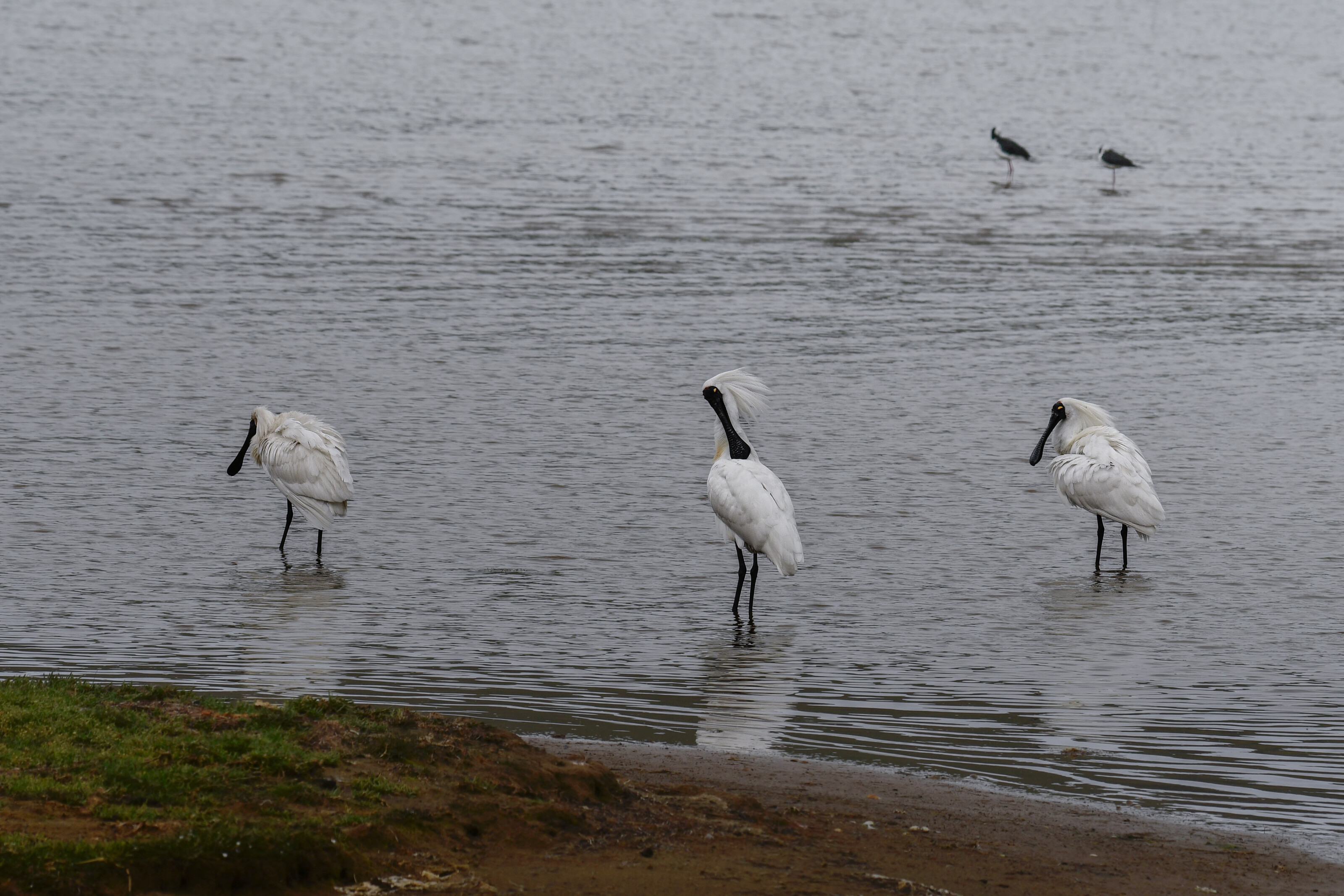
- Royal spoonbill
- Giant petrel
- Sooty shearwater
Wetland and Farmland Birds
- Pied stilt
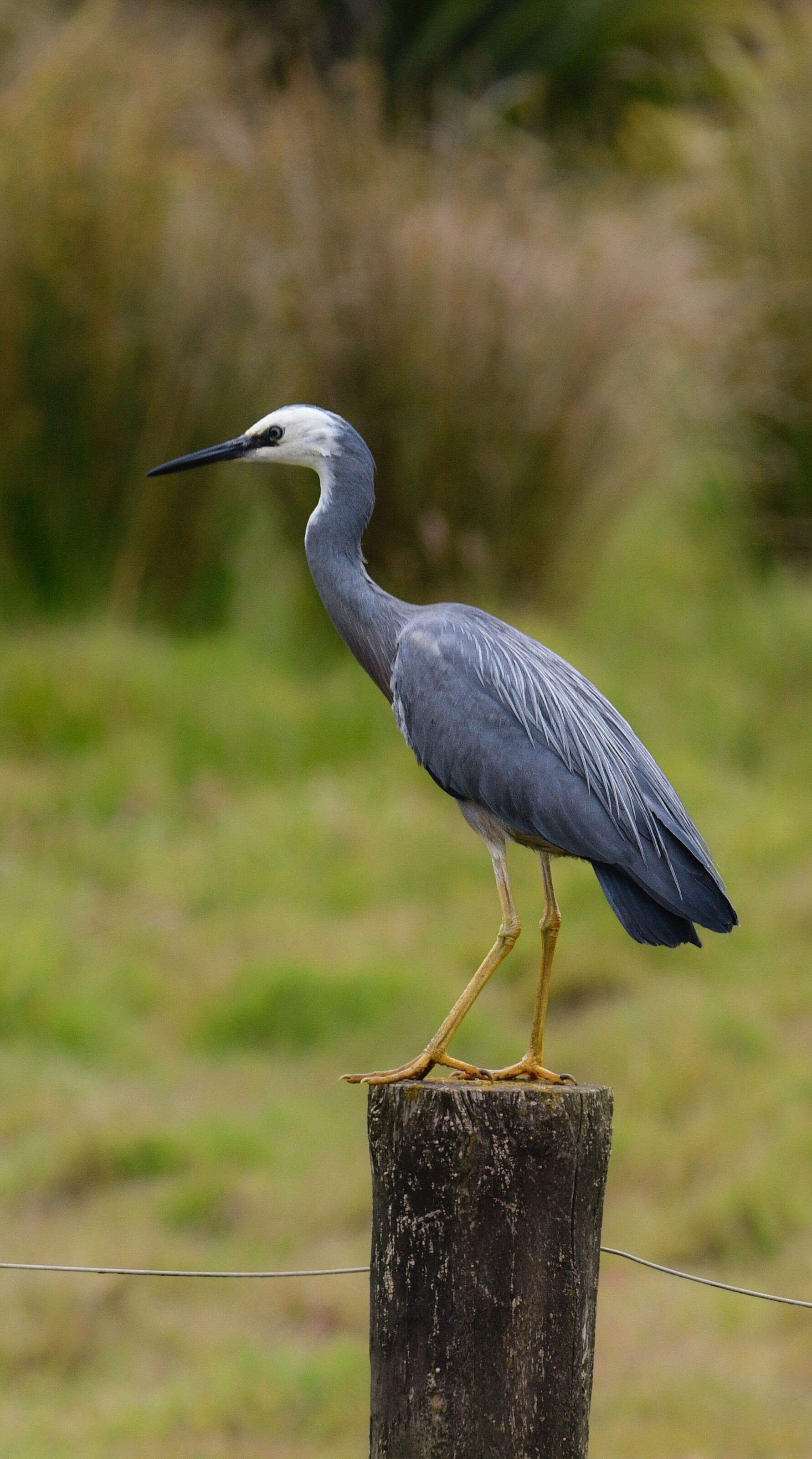
- White-faced heron
- Paradise shelduck
- Pūkeko
- Spur-winged plover
- Black swan
- Bar-tailed godwit
Native Forest and Bush Birds
- Tūī
- Bellbird
- Kererū
- Fantail
- Sacred kingfisher
- Swamp harrier
One of the great strengths of birdwatching on the Otago Peninsula is the sheer diversity of habitats. During a single tour, guests travel through wetlands, tidal inlets, farmland, native revegetation areas and remote coastal environments, each supporting different species.
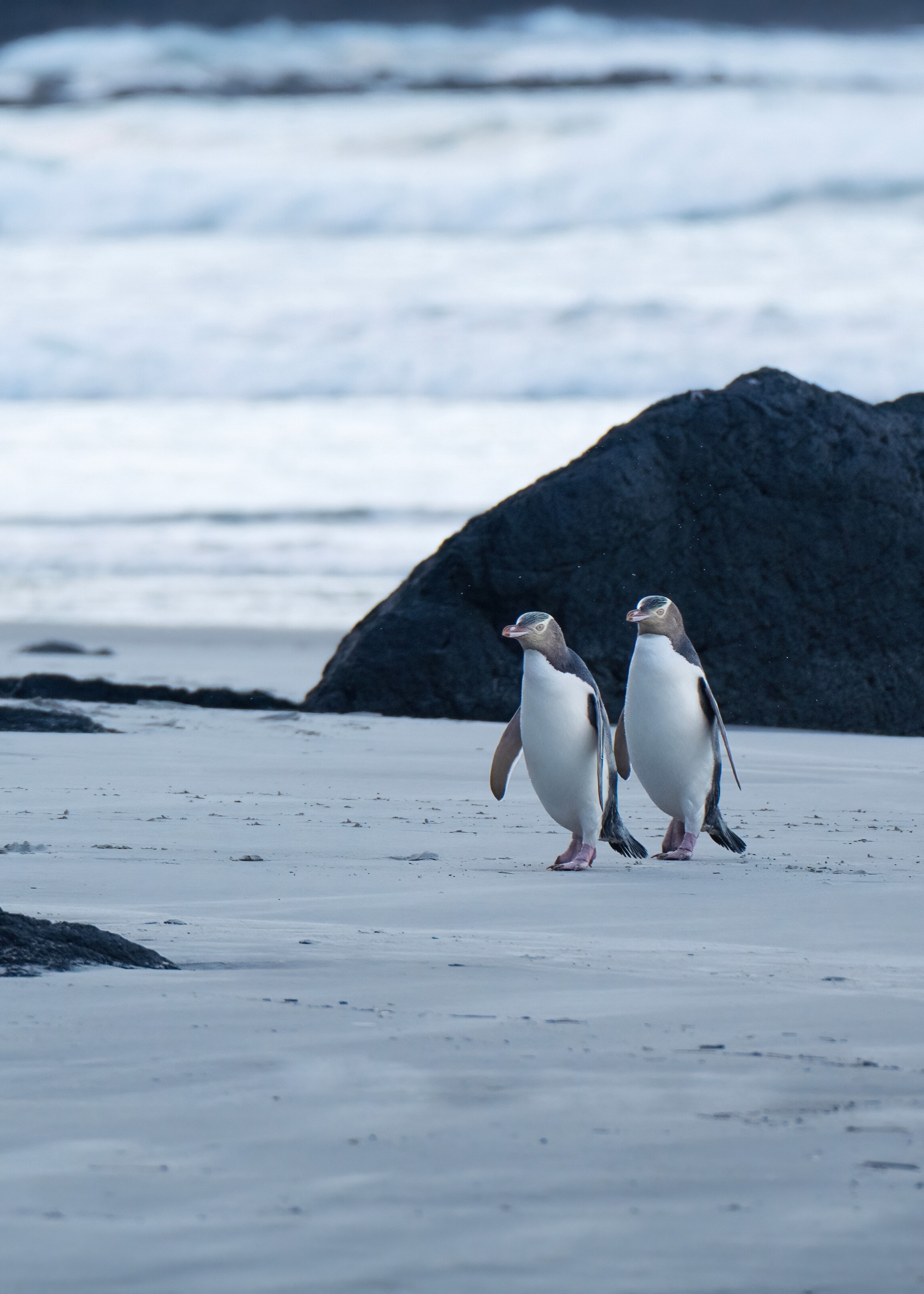
A wild yellow-eyed penguin (hoiho) for your life list
For many international birders, seeing a wild yellow-eyed penguin is one of the highlights of a New Zealand birding trip.
The yellow-eyed penguin (hoiho) is one of the world’s rarest penguins and is found only in New Zealand. Unlike many penguin species that live in large colonies, hoiho are solitary birds that nest out of sight of one another in secluded coastal habitats. A sighting of even a single bird is considered special.
Our small-group tours reach private conservation land where hoiho breed, offering exceptional opportunities to observe these remarkable birds in a responsible and respectful manner.
For birdwatchers travelling from overseas, a wild hoiho often becomes one of the most memorable species on their New Zealand life list. Alongside penguins, guests may also encounter New Zealand sea lions, fur seals, albatross and a wide range of coastal birds during the same outing.
Best time of year for birders
Birdwatching on the Otago Peninsula can be rewarding throughout the year, with each season offering different highlights.
Spring (September-November)
Summer (December-February)
Summer is one of the busiest wildlife periods on the peninsula. Penguins are raising chicks, albatross are actively feeding young, and coastal bird activity is at its peak.
Autumn (March-May)
Autumn often brings stable weather conditions and excellent birdwatching opportunities, with both resident and migratory species present.
Winter (June-August)
Small group and land-based: ideal for birders
We know that birdwatchers often value quality over quantity. Our tours are intentionally limited to a maximum of 10 guests, creating a quieter and more flexible experience that allows time to stop, observe and discuss what you’re seeing.
Being land-based also allows you to experience wildlife where it naturally lives and breeds. Rather than viewing birds from a distance, you’ll travel through a variety of habitats including wetlands, coastal farmland, conservation reserves and remote shoreline environments.
The combination of private access, experienced guides and small group sizes means guests enjoy:
More time on individual sightings
Better opportunities for photography
Access to habitats not open to the public
Expert identification assistance
Insights into behaviour, ecology and conservation
Opportunities to encounter multiple target species in a single trip
For serious birdwatchers and wildlife enthusiasts, this creates a more rewarding and immersive experience than many larger sightseeing tours.

Frequently Asked Questions
Where can birders see a wild hoiho for their life list?
Birders can add a wild yellow-eyed penguin (hoiho) to their life list on the Otago Peninsula near Dunedin. Our small-group tours reach private conservation land where hoiho breed, giving keen birdwatchers close, quiet views alongside New Zealand sea lions, fur seals and a range of coastal and wading birds.
What is the best birdwatching tour in Dunedin?
Clearwater Wildlife Tours is one of the best birdwatching tours in Dunedin for seeing rare coastal species in the wild. Our small-group, land-based tours reach private conservation land where keen birders can see yellow-eyed penguins (hoiho), albatross soaring overhead including royal albatross, and a range of coastal and wading birds alongside sea lions and fur seals.