

Otago Peninsula Wildlife Photography: Viewing Distances & Camera Gear Guide
For wildlife photographers, preparation is everything. One of the most common questions we receive at Clearwater Wildlife Tours is:
“What lens should I bring?”
The answer is not always straightforward.
Every photographer has different preferences, shooting styles, and equipment. Some prefer the flexibility of a zoom lens, while others favour the image quality of prime lenses. Rather than recommending specific gear, we believe it’s more useful to share the typical viewing distances you can expect during our tour, allowing you to make the best decision for your own setup.
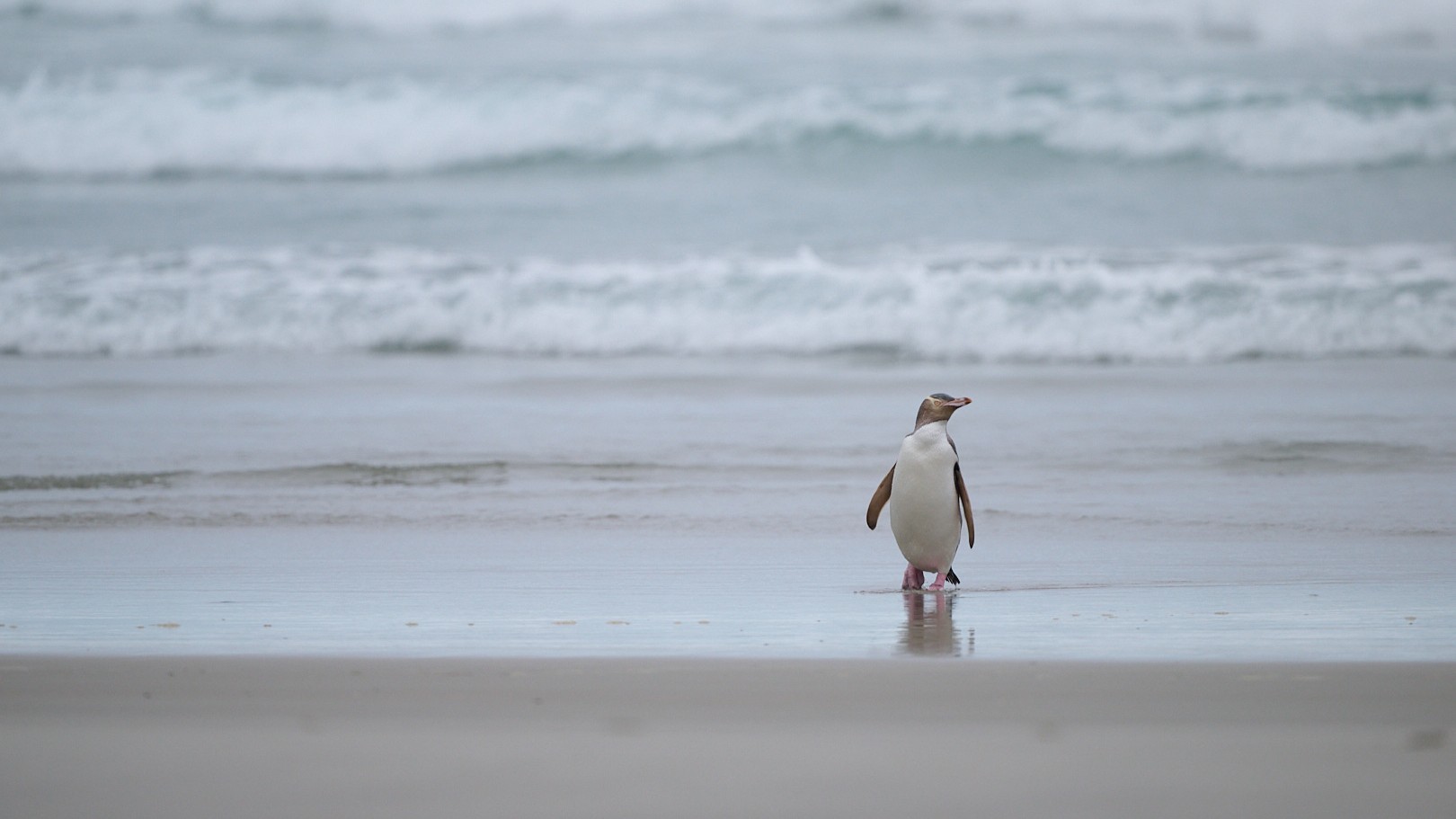
Photographing yellow-eyed penguins (hoiho)
The Yellow-eyed Penguin, or Hoiho, is one of the rarest penguin species in the world and a highlight for many photographers visiting New Zealand.
As the penguins emerge from the ocean, they can typically be viewed from around 100 to 150 metres away, depending on tide conditions. Once they reach shore, viewing distances are often closer to 50 metres.
Later in the tour, our private viewing hides overlook areas where penguins may be resting, nesting, or travelling through native vegetation. Depending on where the birds choose to spend their time, viewing distances from the hides generally range from 100 to 200 metres.
Because wildlife behaviour changes daily, every photography opportunity is unique.
Photographing New Zealand sea lions
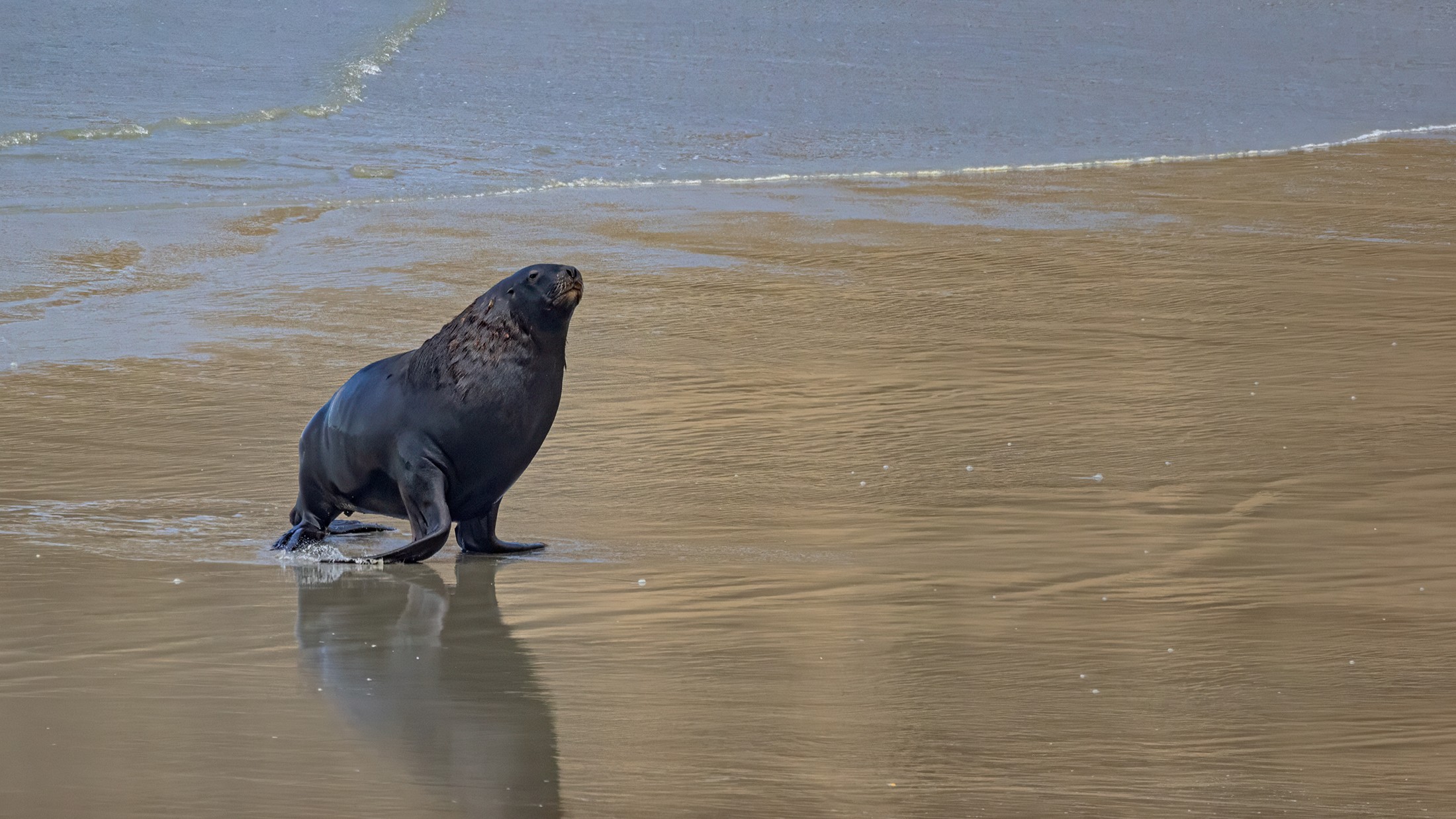
New Zealand sea lions are often encountered at much closer range than penguins. Depending on where they choose to rest, viewing distances can be approximately 20 metres or more.
These encounters can provide excellent opportunities to capture behaviour, expressions, and environmental portraits while maintaining an appropriate distance from the animals.
Photographing New Zealand fur seals
Our New Zealand fur seal viewing platforms offer elevated perspectives overlooking the breeding colony. Photographers typically find themselves anywhere from 20 to 100 metres from the animals.
This variety of distances creates opportunities for both close-up wildlife photography and wider images that capture the scale of the colony and the dramatic coastal environment.
Choosing camera equipment for wildlife photography
Wildlife is wonderfully unpredictable. Distances can vary not only from day to day but throughout the same tour as animals move naturally through their environment.
For this reason, many photographers choose equipment that provides a flexible zoom range, allowing them to adapt quickly to changing situations. A second camera body for landscape photography can also be useful, as the spectacular coastal scenery of the Otago Peninsula deserves attention alongside its wildlife.
Ethical wildlife photography matters
At Clearwater Wildlife Tours, wildlife welfare always comes first. Our hides, viewing areas, and access arrangements are designed to minimise disturbance while providing guests with exceptional viewing opportunities.
Many photographers discover that some of their most memorable images come not from being closest to the animals, but from observing natural behaviour in an undisturbed environment. Patience, good fieldcraft, and respect for wildlife often produce the most rewarding results.
Planning a wildlife photography tour in New Zealand
Whether you’re an enthusiastic hobbyist or a professional wildlife photographer, understanding typical viewing distances can help you prepare the right equipment and set realistic expectations.
Every tour is different, every wildlife encounter is unique, and that’s part of what makes photographing the Otago Peninsula so special.
Planning a photography-focused visit? Contact Clearwater Wildlife Tours before your tour. We’re always happy to discuss typical viewing conditions and help you prepare for an unforgettable wildlife photography experience.